Most cattle are feed non-therapeutic (not to treat disease) low-level antibiotics, often for several months to a year from weaning through the finishing stage. It is estimated that nontherapeutic livestock use accounts for 70 percent of total anti-microbial use (Union of Concerned Scientist 2001). When therapeutic uses are included, the share could be as high as 84 percent. These quantities dwarf the use of anti-microbials in human health. (Note that poultry producers use10.5 million pounds, an increase of 307% per bird produced since the 1980s, while beef producers use 3.7 million pounds).
Cattle are ruminant animals with 4 stomachs. They are efficient at converting plant materials into energy through a fermentation process in their guts. Cattle process high energy/high protein material like grain poorly. High-grain diets typical of cattle in feedlots during “finishing” are necessary to produce the marbled product most demanded by the American consumer, but such a diet causes acidosis in the rumen (stomach) which in turn causes ulceration of the rumen wall. Bacteria can leak through these ulcers and infect the liver and cause lesions or abscesses. Without antibiotics, up to 75% of feedlot-finished cattle would have livers unfit for human consumption. Subtherapeutic doses of certain antibiotics also stimulate growth by increasing feed conversion efficiency.
One concern is that antibiotic residues may trigger allergic responses in individuals who are antibiotic-sensitive. To avoid this possibility, the FDA establishes maximum antibiotic levels that can be used in feed, and the minimum “withdrawal” time before animals are processed. The U.S.D.A.’s monitoring suggests that less than 1% of meat and poultry product contain residues higher than the legal limit, but with increasing importation of beef from other countries, this may become more of a problem. Even the relatively small risk of 1%, however, may be an unacceptable risk to sensitive individuals.
The primary concern with using these vast quantities of microbials in animal husbandry is the creation of antibiotic-resistant pathogens. Many of these antibiotics are important for human health (e.g., tetracycline, penicillin, erythromycin). Although the scientific data are sketchy, many researchers desire to apply a “precautionary” approach, banning the use of antibiotics in animal husbandry except for treatment of illness.
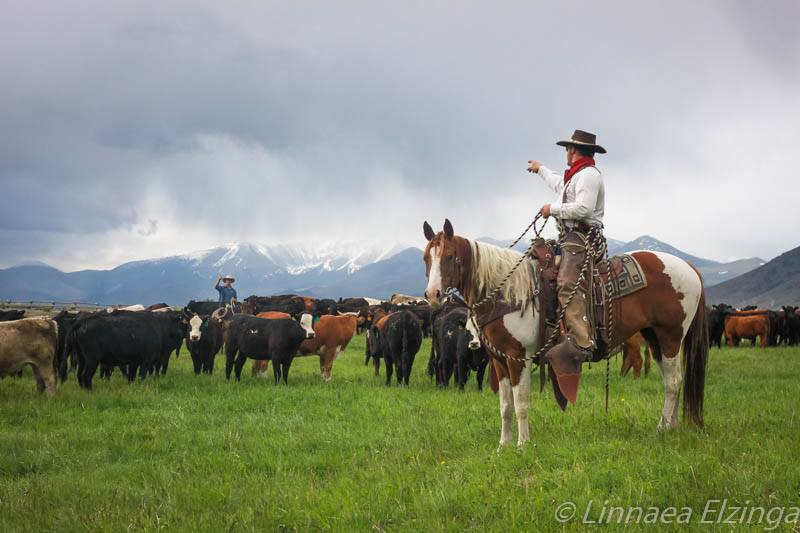
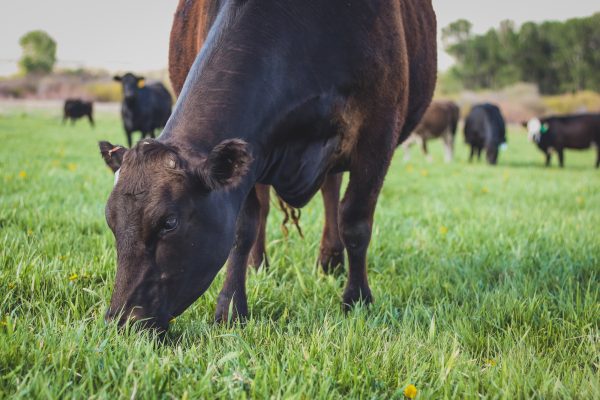
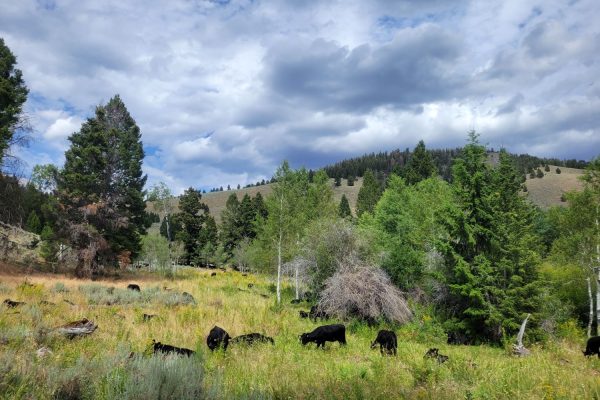
The livestock and poultry industry resist such a ban because of economic reasons and argue that in the absence of clear data, such a ban would cause unnecessary economic hardship for the livestock industries. Our belief, however, is that a change in the production model can address the problem. Pasture grown beef requires no feedlots, no corn, no acidosis, and no need for antibiotics.
Note that some large companies have begun to heed the consumer’s desire for beef that has not been treated with antibiotics, but you have to read labels closely to be sure of what you are getting. Some beef is sold as “not fed antibiotics” or “raised without the use of routine antibiotics.” These terms mean that cattle are not fed antibiotics at sub-therapeutic levels, but most protocols allow for treating of animals that are ill and following the prescribed withdrawal period before harvest. In one study, more than half of the animals in a feedlot were treated for bovine respiratory disease during their 150 day stay, some more than once (Garder, B.A. and others. 1999. Health of finishing steers: effects on performance, carcass traits, and meat tenderness.” Journal of Animal Science 77:3168-3175).
If you want beef from cattle that have never been given antibiotics, read labels carefully! Because we raise our beef ourselves from birth to finish, we can assure you that they have never received antibiotics in any form, at any time.



Leave a Reply